

A quick one for today. The other day I heard an Indonesian Chinese speaker refer to her (paternal) grandparents as “奶奶爷爷”. This immediately struck my ear as strange, as it’s usually said as “爷爷奶奶”. It then got me thinking about how it’s funny that languages tend to have fairly fixed order for what sounds most natural with ‘A and B’ sorts of noun-phrases.
标签存档:word order
The General Pattern of Chinese Word Order & the Pre-Verbal / Post-Verbal Split
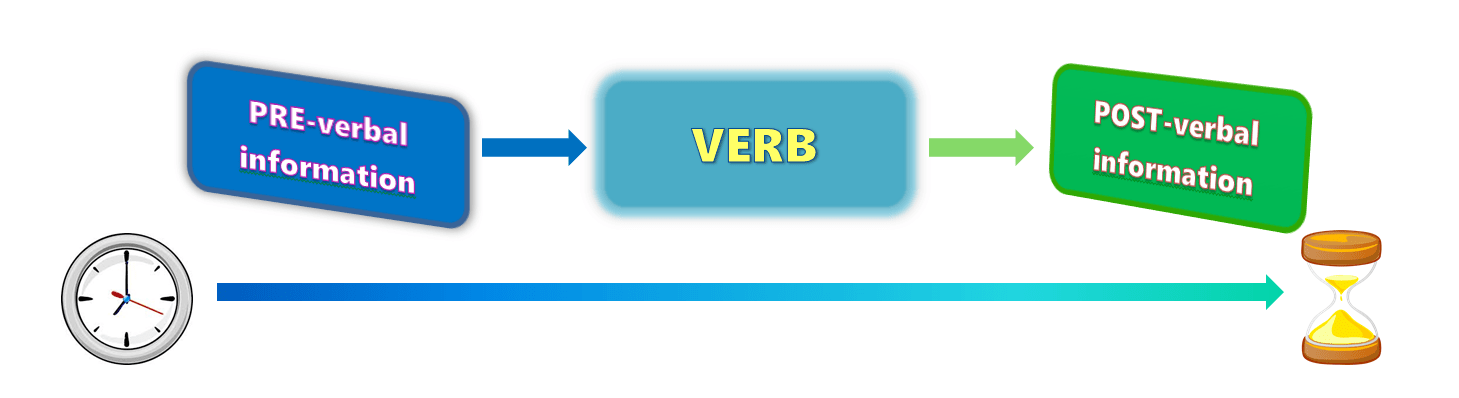
So whilst Deliveroo is processing my order, I thought it was about time I update. Today’s theme is something that is in part something I’ve noticed myself and also part something that I’ve since seen written about to some degree in academic literature, but not really ever in Chinese learning materials.
Tips Miniseries (9/9): Pre-Verbal Objects

Okay, heads up, this is a tricky one. There’s a secret, little-known alternate position for the object in a Chinese sentence. It’s after the subject and before the verb. At the moment, we probably know of the following positions for the object:
Tips Miniseries (8/9): Duration Structure
I can’t tell you how many times I see students get their duration structure in a pickle – even advanced students seem to get this wrong quite often. By duration structure, I mean when you want to say how long an action was done for e.g. ‘I watched Korean dramas FOR 3 HOURS.’
Tips Miniseries (5/9): Where to put ‘what’

Do you know the rule for where question words like 什么、谁、哪里、怎么 etc. go in the sentence? It’s amazing how far through the Chinese subjects students can get at university and still be quite unaware of how to work out exactly where these question words go. This important rule is, in fact, not even that often stated in textbooks. So, what is this magic rule?
 中文秘诀 | The Secret of Chinese