
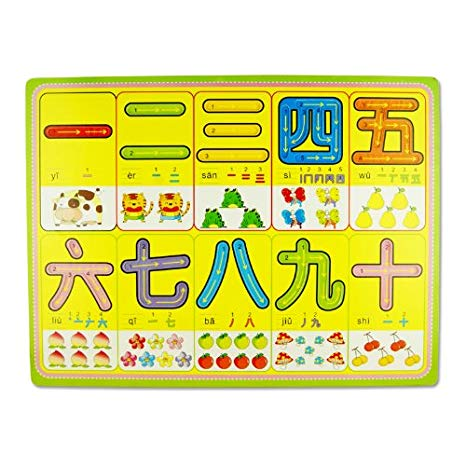
Hi guys! 好久不见! I thought I’d tide you over with a short(-ish) little (long) post about Chinese numbers that should quench your thirst for all things linguistically oriental. As some of you know, I’ve been getting into Shanghainese recently. As I was poring over my Shanghainese book (as one does on a Saturday afternoon), I was quite taken aback with how much similarity there is between Shanghainese and Japanese pronunciations of the numbers…
标签存档:Linguistics
Like or not? Like! Like then buy! Not buy – where have money?? Regardless have or not, like then buy.
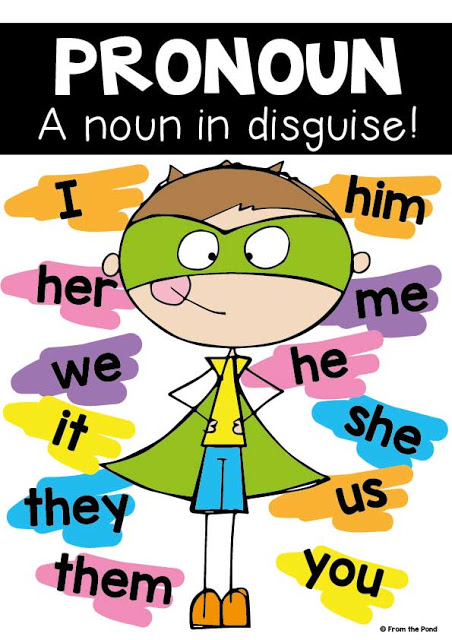
I’m pretty pleased with the title ^_^, haha. Today I want to talk about one of the key things that makes students’ Chinese sound UN-Chinese, which is anaphora & coreference – two phenomena which are exhibited by my strange title for this post.
10,000 Steps & Wishes (Plus a little bit of linguistic determinism)
A quick fun fact for the day. There is actually NO evidence whatsoever (at least, the last time I read about this) that 10,000 steps is what humans should be striving to achieve each day in terms of exercise.
‘Thank you’ in Various Asian Languages
Sudden revelation! In Chinese, the usual way to say ‘thank you’ is 谢谢 xièxie, though there is also a more formal word 感谢 gǎnxiè, which has roughly the same meaning.
In Vietnamese, ‘thank you’ is ‘Cảm Ơn’, which is pronounced something like ‘gam un’. It sounds curiously like the Chinese word 感恩, which means ‘to be grateful’ (it’s used in the Chinese word for Thanksgiving – 感恩节).
Linguistics Trivia
Some random linguistics trivia:
✩ ‘Saturday’ comes from the word ‘Saturn’
✩ Did you ever notice that the months ‘September’, ‘October’, ‘November’ and ‘December’ refer to the numbers 7, 8, 9 and 10 respectively, but are actually the 9th, 10th, 11th and 12th months?
 中文秘诀 | The Secret of Chinese