‘Thank you’ in Various Asian Languages

Sudden revelation! In Chinese, the usual way to say ‘thank you’ is 谢谢 xièxie, though there is also a more formal word 感谢 gǎnxiè, which has roughly the same meaning.

In Vietnamese, ‘thank you’ is ‘Cảm Ơn’, which is pronounced something like ‘gam un’. It sounds curiously like the Chinese word 感恩, which means ‘to be grateful’ (it’s used in the Chinese word for Thanksgiving – 感恩节).
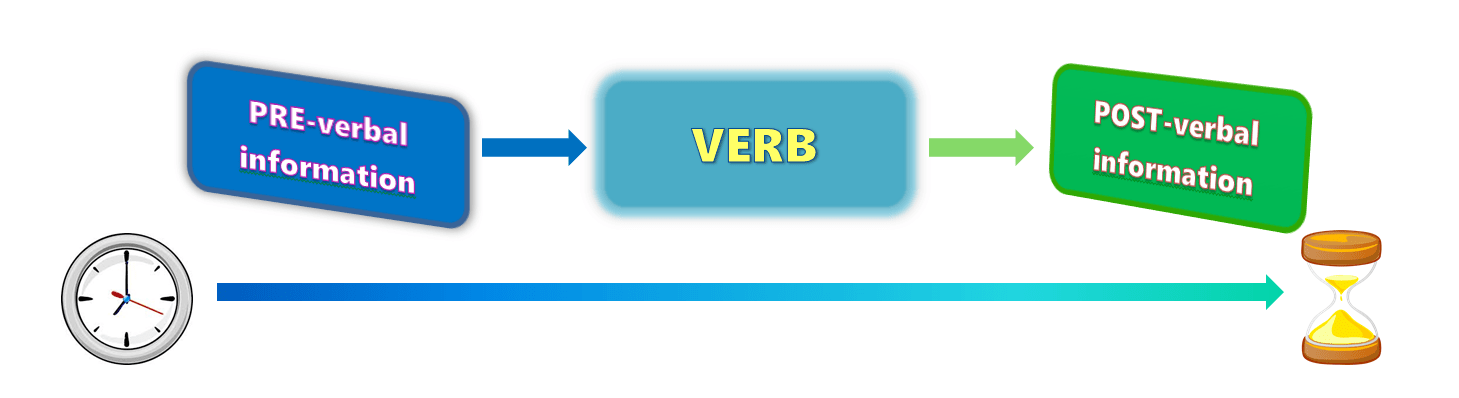
The General Pattern of Chinese Word Order & the Pre-Verbal / Post-Verbal Split

So whilst Deliveroo is processing my order, I thought it was about time I update. Today’s theme is something that is in part something I’ve noticed myself and also part something that I’ve since seen written about to some degree in academic literature, but not really ever in Chinese learning materials.

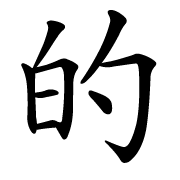
的: What DE Heck?!!

Today’s post is about a really fundamental Chinese particle, 的.

Today’s post is actually slightly abstract in nature, but it’s also about something that causes students confusion right from the beginning of their Chinese-learning journey (and I don’t blame them – it’s never really flagged in any Chinese learning resources). So, let me ask you. Why do some noun-phrases have 的 linking the adjective / description to the noun e.g. 很美的地方 and others don’t e.g. 中国菜? Can we use either? Do they have any difference in meaning? Let’s take a look!